

Indian Institutes of Technology Bhilai Unveils Hydrogel-Based Insulin Delivery System for Type-1 Diabetes
21-August-2023
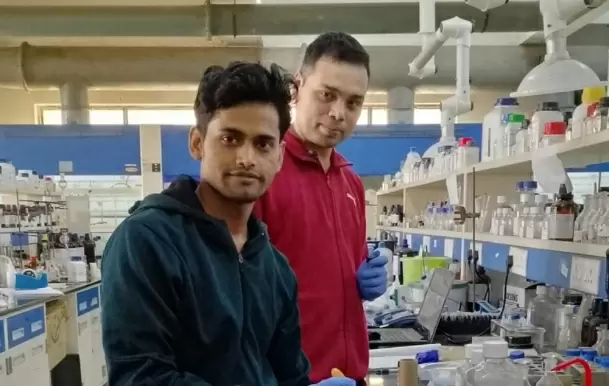
A team of researchers from the Indian Institutes of Technology (IIT) Bhilai has successfully engineered a novel hydrogel-based insulin-delivery platform, which can help patients with Type-1 diabetes better manage their conditions.
Currently, an estimated three million people in India rely on insulin therapy, where they often resort to daily insulin injections using needles or specialised devices to manage their blood sugar levels.
The hydrogel-based drug delivery system has the ability to release insulin in a controlled manner in response to elevated blood glucose levels- mimicking the natural insulin secretion process of healthy pancreatic cells.
"Current insulin injection methods have some limitations. They do not work quite like the body's natural system and can be fatal. The current insulin injection methods can also make blood sugar levels drop dangerously low, and patients might have to rely on them forever," said Dr Suchetan Pal, Assistant Professor, Department of Chemistry, IIT Bhilai, in a statement.
The team has detailed the new system in the journal Applied Materials and Interfaces.
Using the innovative application of hydrogels, the new delivery system promises a safe and efficient method of supplying insulin to insulin-dependent diabetic patients.
Hydrogels are biocompatible polymers that are characterised by high water content and are being studied for controlled drug release in various medical fields including cardiology, oncology, immunology, wound healing, and pain management.
The researchers encapsulated insulin in specially designed hydrogels that can be administered instead of direct insulin injections.
Drawing inspiration from the body's natural insulin secretion process triggered by glucose, the team designed the hydrogels such that they would release insulin when glucose levels are elevated.
This was achieved by crosslinking polyvinyl alcohol with tiny particles of chitosan, an ingredient derived from shellfish and crabs' outer skeletons. The crosslinker, formylphenylboronic acid (FPBA), responds to glucose levels and releases the insulin that is encapsulated inside the hydrogel.
Through comprehensive experiments involving small-molecule drug analogs and macromolecular insulin, the team demonstrated that the hydrogels released insulin predominantly under hyperglycemic (high glucose) conditions. The safety and antidiabetic efficacy of insulin-loaded hydrogels were confirmed through tests in a Type-I rat model.
"These modular hydrogels can take the form of microneedles or oral formulations and can prove sustained delivery of insulin in response to elevated blood glucose levels. This could significantly enhance convenience and safety for patients requiring insulin therapy," Dr. Pal added.- IANS
- 0
-

-

-

-

Sri Lankan Navy Arrests 12 TN Fishermen, Impounds Trawler Near Dhanushkodi
Protests Outside Bangladesh High Commission in Delhi Over Lynching of Hindu Youth
Ragging Row Erupts at RG Kar Medical College; First-Year Students File Complaint
Intel Flags ISI Plot To Incite Anti-India Fury In Bangladesh, Push New Delhi Into Military Response
Bengal School Owner Arrested for Harassing Singer Lagnajita; Court Sends Him to Police Custody