
Boomers to Gen Z: Generational Gap in Emoji Use
04-June-2025
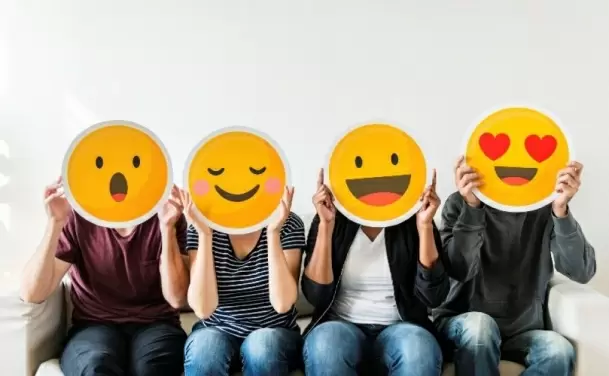
Today, emojis have become a part of our daily chatting, whether it is with friends, family, or even with office colleagues. From young people to the elderly, everyone is using emojis in some way. But not all of them use emojis in the same manner.
Different age groups have different styles, and sometimes the same emoji can mean something else for someone from another generation.
Young people in their teens and early twenties, also called Gen Z, are using emojis in a very different and creative way. For example, when something is very funny, they don’t use the laughing face emoji (😂) like older people.
Instead, they use the crying face (😭) or skull emoji (💀) to show they are “laughing to death.” They also like to use emojis like sparkle (✨), fire (🔥), and upside-down smile (🙃) to say it's funny or in a sarcastic tone. They even avoid the normal smiling emoji (🙂), because for them it may feel too serious or awkward.
People in their late twenties to early forties, known as Millennials, were the first to use emojis widely when smartphones became popular. They use emojis to show their mood or feelings clearly. They often add a laughing emoji (😂), red heart (❤), thumbs up (👍), or folded hands (🙏) to make their message friendly and add warmth to their words.
Those born between 1965 and 1980, called Gen X, also use emojis but in a limited way. They usually choose smileys like (🙂), wink (😉), or thumbs up (👍) in mostly in family WhatsApp groups or casual messages, but not during official chats.
The older generation, also called Boomers, have started using emojis in recent years and they enjoy them a lot. They like to use emojis to show blessings, love, and joy. It is common to get a message from a parent or grandparent saying “Good morning” followed by many smileys (😊), hearts (❤), and flowers (🌹). While this may look funny to the younger crowd, Boomers feel it adds a lot of warmth to their messages.
In office chats also, emojis are slowly becoming normal, especially in WhatsApp groups or apps like Slack and Microsoft Teams. People use emojis like thumbs up (👍), smile (🙂), and clapping hands (👏) to show agreement or appreciation. But in formal emails, most people still avoid using emojis, as it may look too casual or unprofessional.
Every generation is now using emojis, but each with their own style and attitude. So next time your uncle sends you five hearts (❤❤❤❤❤), or your younger cousin replies with a skull emoji (💀) after a joke, don’t get confused. It’s just their own emoji language.
- 0
-

-

-

-

Bondi Beach Terror Attack: Shooters Sajid-Naveed Identified As Pakistani-Origin Father-Son Duo
Legendary Singer S.P. Balasubrahmanyam's Statue Unveiled In Hyderabad Amid Row
In BJP, Anyone Can Rise From Pasting Posters To National President: Giriraj Singh On Nitin Nabin’s Elevation
Ram Janmabhoomi Movement Veteran Ram Vilas Vedanti No More, Yogi Adityanath Pays Tribute
Rajinikanth Turns 75: Anil Kapoor, Kajol Lead Heartfelt Birthday Tributes