
How social media platforms reward users for spreading misinformation
18-January-2023
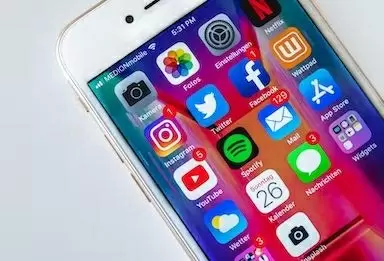
The habit of rewarding users for habitually sharing information by social media platforms like Facebook and Twitter has led to spread of misinformation and fake news, researchers have discovered.
The study by University of Southern California (USC) of more than 2,400 Facebook users suggests that platforms, more than individual users, have a larger role to play in stopping the spread of misinformation online.
According to the findings, published in the journal Proceedings of the National Academy of Sciences, just 15 per cent of the most habitual news sharers in the research were responsible for spreading about 30 per cent to 40 per cent of the fake news.
Frequent, habitual users forwarded six times more fake news than occasional or new users.
"Due to the reward-based learning systems on social media, users form habits of sharing information that gets recognition from others," the researchers wrote.
Once habits form, information sharing is automatically activated by cues on the platform without users considering critical response outcomes, such as spreading misinformation, they wrote.
Posting, sharing, and engaging with others on social media can, therefore, become a habit.
"Our findings show that misinformation isn't spread through a deficit of users. It's really a function of the structure of the social media sites themselves," said Wendy Wood, USC emerita Provost Professor of psychology and business.
The habits of social media users are a bigger driver of misinformation spread than individual attributes.
Prior research that some people don't process information critically, and others form opinions based on political biases, which also affects their ability to recognise false stories online.
"However, we show that the reward structure of social media platforms plays a bigger role when it comes to misinformation spread," said Gizem Ceylan, who led the study.
The study noted that users could be incentivised to build sharing habits that make them more sensitive to sharing truthful content.
"Effectively reducing misinformation would require restructuring the online environments that promote and support its sharing," it added. - IANS
- 0
-

-

-

-

Bondi Beach Terror Attack: Shooters Sajid-Naveed Identified As Pakistani-Origin Father-Son Duo
Legendary Singer S.P. Balasubrahmanyam's Statue Unveiled In Hyderabad Amid Row
In BJP, Anyone Can Rise From Pasting Posters To National President: Giriraj Singh On Nitin Nabin’s Elevation
Ram Janmabhoomi Movement Veteran Ram Vilas Vedanti No More, Yogi Adityanath Pays Tribute
Rajinikanth Turns 75: Anil Kapoor, Kajol Lead Heartfelt Birthday Tributes